Featured
Table of Contents
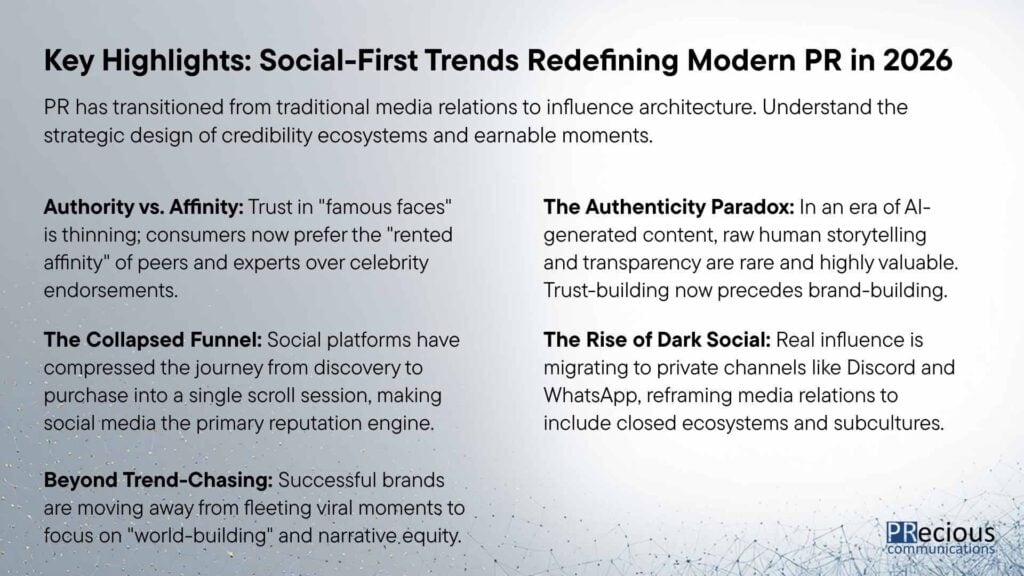
This may consist of a LinkedIn post from your CEO sharing the vision, a TikTok video revealing somebody really utilizing the product, a podcast interview checking out the "why" behind the launch, or earned media protection in industry trades. People get details from all sort of channels now like. When your message takes a trip across those channels in a connected method, it reaches people numerous times in different contexts.
When individuals see your narrative from several angles, Start by defining your narrative core initially: Then, build a master campaign quick around this core, then adjust it for each platform. LinkedIn gets thought management insights, TikTok gets visual storytelling, podcasts get thorough conversations, and press gets relevant hooks. PRLab's expert-tip: Consistency does not mean repeating.
The Role of AI in 2026 Brand GrowthPreserve consistent messaging while differing format, tone, and depth. Search for patterns where one platform drives awareness or traffic to another, then optimize those connections for optimal impact. Stop Reposting. Start Adapting. See how top brands turn one story into platform-specific material that in fact works. Substack and independent newsletters have actually ended up being Newsletter authors operate with different editorial techniques.
When you give them something worth sharing, you reach You get direct access to high-intent readers who rely on the author's viewpoint and pay to subscribe. If you provide exclusive content, original insights, or extremely appropriate stories, they'll cover it in more depth. This is specifically Construct your newsletter media strategy with these useful steps: Usage tools like SparkToro or LinkedIn search to see what market leaders follow and share.
Offer their readers can't find somewhere else. Register for their content (paid if possible), engage attentively with their work, and PRLab's expert-tip: Newsletter authors have innovative versatility that complements conventional journalism. They can go deep on topics, publish by themselves schedule, and try out formats like case studies, data visualizations, or ongoing series.
How Generative Engine Visibility Impacts PR Strategy
The more aligned your pitch is to their format and audience, the much better your possibilities of making meaningful coverage. Brands now depend on podcasts, livestreams, and short-form videos to share messages with immediacy and authenticity., and as part of their technique. PR groups are now believing like PR groups can't treat video and audio as optional anymore.
This needs new skills: Appearing in the formats your audience chooses helps you maintain both reach and importance. Develop quick-turn videos for announcements and believed leadership using tools like Descript or CapCut. You can pitch podcast appearances as made media by Then, train spokespeople on camera presence, lighting, and conversational delivery so they can represent your brand name with confidence throughout any format.
Audiences will tolerate average visuals but stop listening if audio is poor, so focus on clarity. Develop a constant sonic brand identity: utilize the very same intro music, audio signatures, or voice patterns across your content so audiences acknowledge your brand name quickly. Don't forget captions and records to make content accessible, searchable, and consumable in any context.
Why Thought Leadership Drives Long-Term Authority
PR teams are building programs to help them share their point of views through social media, conferences, and industry events. A post from your product manager about what they're developing Your employees are already speaking about your brand name, andEmployee advocacy creates engagement and credibility that business channels can't quickly duplicate. It assists your When somebody searches for your business, they frequently examine what staff members say on LinkedIn or Glassdoor before thinking main statements.
Provide easy guidelines, a material library, and tools like Bambu, GaggleAMP, or LinkedIn Raise to make sharing simple. Feature staff member voices in item launches, media pitches, and culture material. Their authentic viewpoints construct rely on ways news release can't. Use staff member feedback to make certain what's shared openly matches what they experience inside the business.

Level 1 is simple support like liking posts, resharing updates, or posting occasion photos to construct convenience. Level 3 is thought leadership through developing original content, speaking at events, or representing the business in media.
Protecting Digital Reputation in the Era of AEO
This indicates working with specialized media, micro-influencers, and neighborhood insiders who understand the language and values of the audience. You can't utilize the same playbook for fintech creators and DTC health purchasers. People trust voices that sound like experts, not brand names trying to talk to everyone. Specific niche PR makes projects more efficient.
For PR groups, it suggests more efficient use of time and budget plan, less cold pitches, and warmer relationships. When your messaging feels truly pertinent, it spreads within the community and develops long-term brand equity.
Create formats they already engage with podcasts for conversational neighborhoods, technical documents for analytical ones, or short, visual content for groups. Let trust build naturally. Procedure success by how the community responds: Are they engaging, sharing, inviting you in?
The Role of AI in 2026 Brand GrowthBuilding Lasting Corporate Authority for the Next Era
Show up consistently, add authentic worth, and make trust before asking for attention. Groups publish past press releases, leadership quotes, and brand name standards so the AI creates drafts that match your style from the start.
The objective is to create while saving time on modifying and approvals. They deliver sleek drafts that require only light edits, which shortens approval time and lessens off-brand errors. Teams using custom-trained systems get a real benefit throughHere's how to begin building your own custom chatbot: Gather top-performing press releases, executive statements, media actions, and brand voice standards.
Usage tools like CustomGPT, ChatGPT Enterprise, or Claude with customized knowledge bases. These platforms let you upload proprietary products safely and train the system to match your tone. Begin with routine work like drafting press releases or individualizing pitch templates. This provides fast wins while you improve the system. Always evaluation generated content before publishing.
Future Best Practices for Media Relations
PRLab's expert-tip: The quality of your training data figures out everything. Feed the system just your finest work, not every piece you've ever produced. Budget for both setup costs (platform fees, data preparation) and continuous upkeep (updating training information, refining outputs). Prepare for a 3-6 month improvement duration where you'll actively enhance the system based upon what works and what doesn't.
For PR, this indicates understanding funnels and conversions. Marketing describes what you provide; PR brings outside validation through media protection and influencer discusses that make marketing more credible.

Latest Posts
Managing Digital Identity in the Age of AI
Navigating the Future of AEO for Success
Ways to Evolve Your Brand Strategy for 2026